

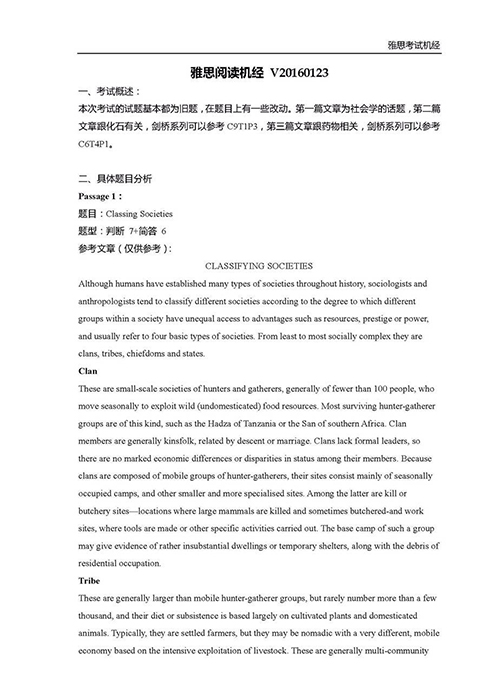
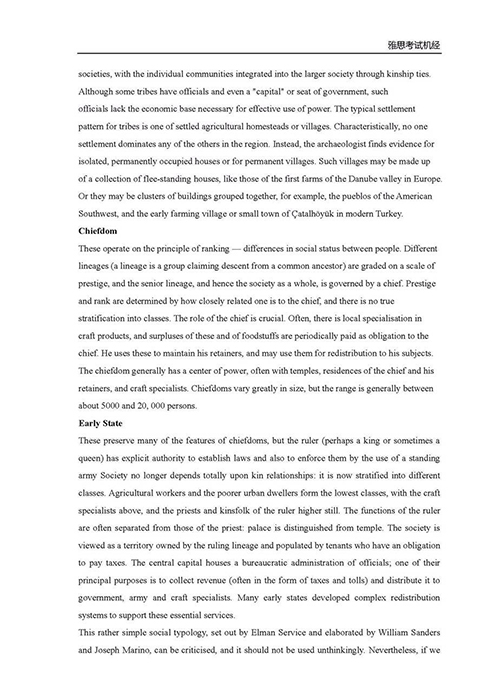
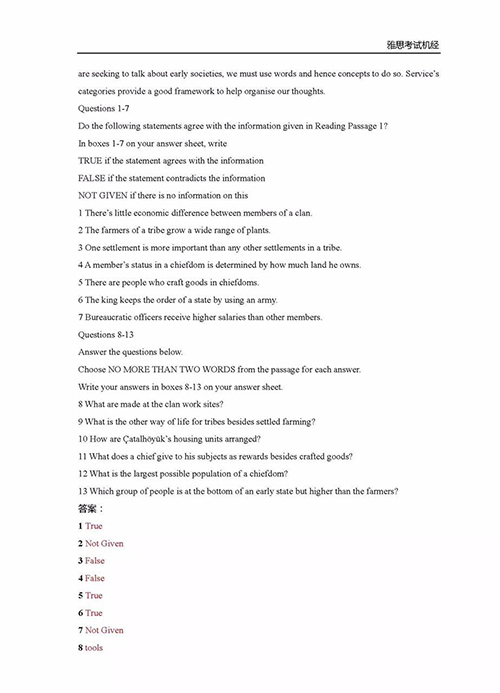
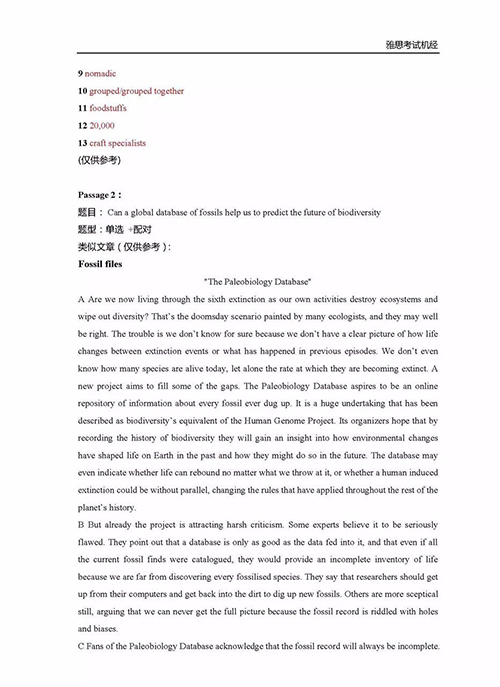
今天小编给大家带来的主要内容是2016年1月23日雅思阅读真题回忆,本次考试的试题基本都为旧题,在题目上有一些改动,第一篇文章为社会学的话题,第二篇文章跟化石有关,第三篇文章跟药物相关。大家可以参考剑桥真题相似文章,以便更好地备考接下来的雅思阅读考试。
or high-voltage power grids; no pasteurisation,pesticides or biotechnology; no quantum mechanics; no wheel; no "discovery” of America. In short,their message was: no risk,no gain.
C Theyhave absolutely missed the point. The precautionary principle is a subtle idea.It has various forms, but all of them generally include some notion ofcost-effectiveness. Thus the point is not simply to ban things that are notknown to be absolutely safe. Rather, it says: ’’Of course you can make noprogress without risk. But if there is no obvious gain from taking the risk,then don’t take it.”
D Clearly, all the technologies listed by the 40well-chosen savants were innately risky at their inception, as all technologiesarc. But all of them would have received the green light under theprecautionary principle because they all had the potential to offer tremendousbenefits-- the solutions to very big problems-- if only the snags could beovercome.
E If theprecautionary principle had been in place,the scientists tell us, we would not haveantibiotics. But of course we would - if the version of the principle thatsensible people now understand had been applied. When penicillin was discoveredin the 1920s, infective bacteria were laying waste to the world. Children diedfrom diphtheria and whooping cough,every open drain brought the threat of typhoid,and any wound could lead to septicaemia and even gangrene.
F Penicillin was turned into a practical drugduring the Second World War, when the many pestilences that result from warthreatened to kill more people than the bombs. Of course antibiotics were apriority. Of course the risks, such as they could be perceived, were worthtaking.
G And so with the other items on the scientists'list: electric light bulbs, blood transfusions, CAT scans, knives, the measlesvaccine —the precautionary principle would have prevented all of them, theytell us. But this is just plain wrong. If the precautionary principle had beenapplied properly, all these creations would have passed muster, because alloffered incomparable advantages compared to the risks perceived at the time.
H Another issue is at stake here. Statistics arenot the only concept people use when weighing up risk. Human beings, subtle andevolved creatures that we are, do not survive to three-score years and tensimply by thinking like pocket calculators. A crucial issue is consumer’schoice. In deciding whether to pursue the development of a new technology, theconsumer's right to choose should be considered alongside considerations ofrisk and benefit. Clearly, skiing is more dangerous than genetically modifiedtomatoes. But people who ski choose to do so; they do not have skiing thrustupon them by portentous experts of the kind who now feel they have the right toreconstruct our crops. Even with skiing there is the matter of costeffectiveness to consider: skiing, I am told, is exhilarating. Where is theexhilaration in GM soya?
I Indeed, incontrast to all the other items on Spiked's list, GM crops stand out as anexample of
以上是2016年1月14日雅思阅读真题回忆的全部内容,大家可以参考一下。最后,前程百利雅思频道小编预祝大家考出满意的雅思成绩。更多出国考试信息请继续关注前程百利雅思考试频道,或咨询400-890-6000得到快速专业的回答。
您还可能关注:


